Traditional Artisan craft
Goho KIln
五鳳窯
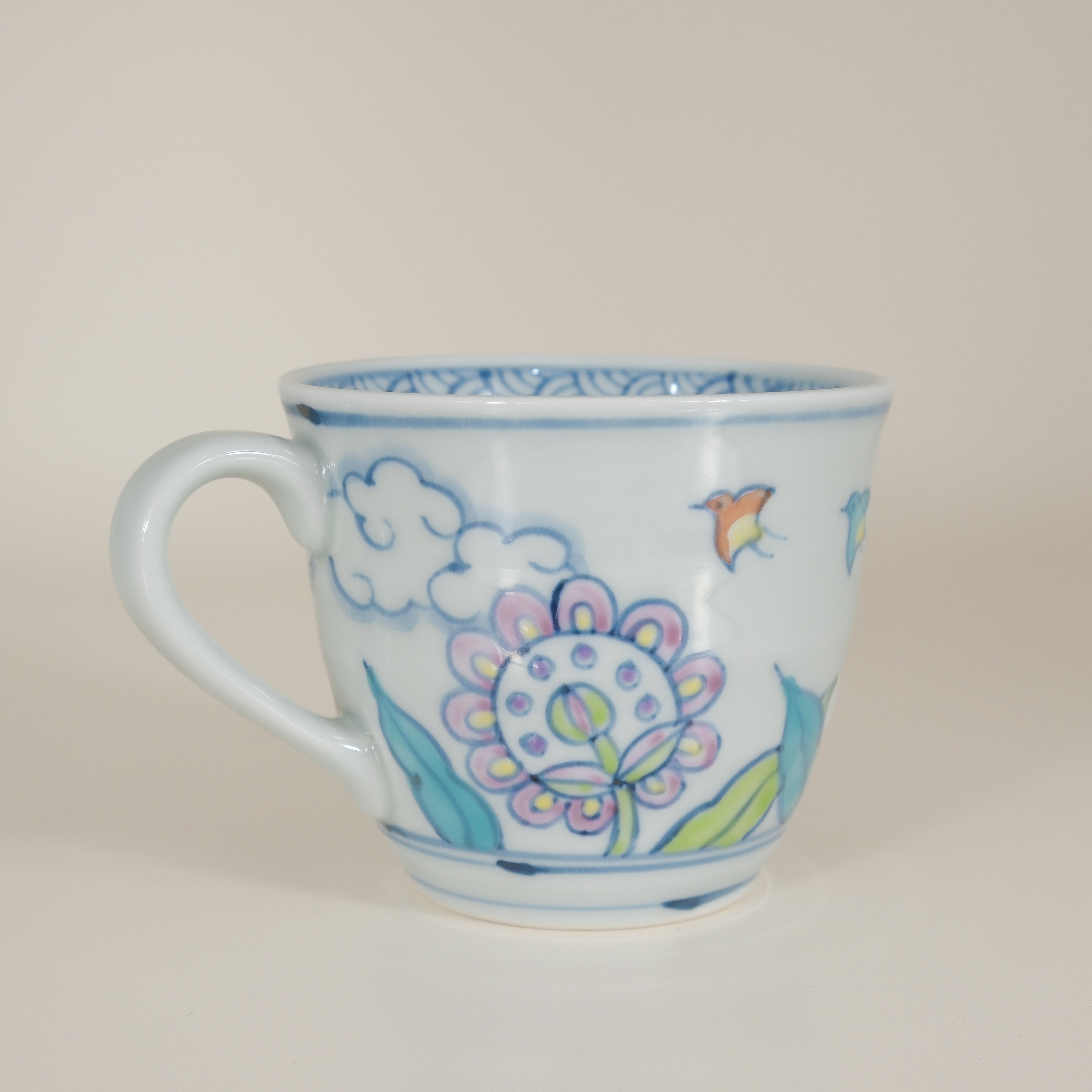
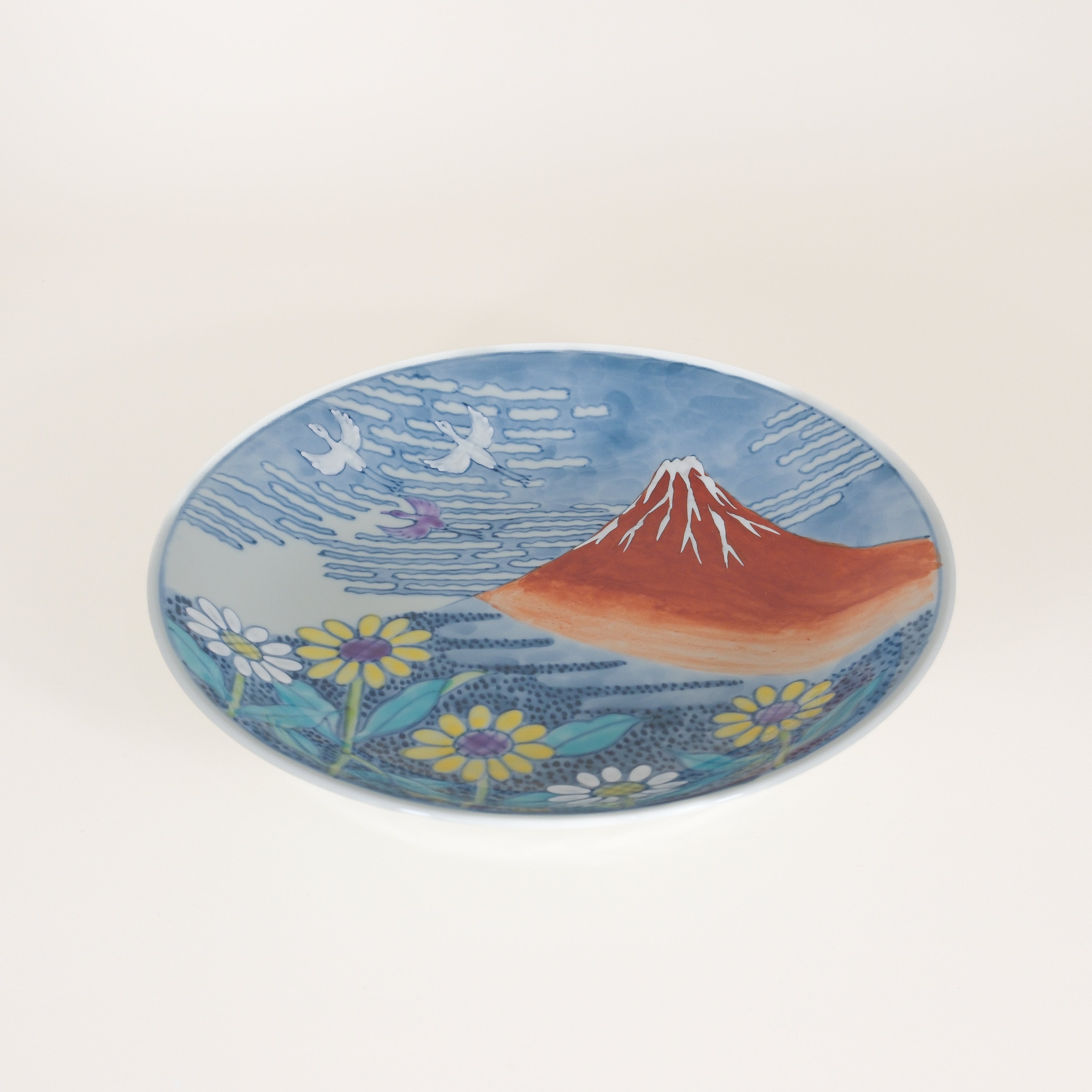
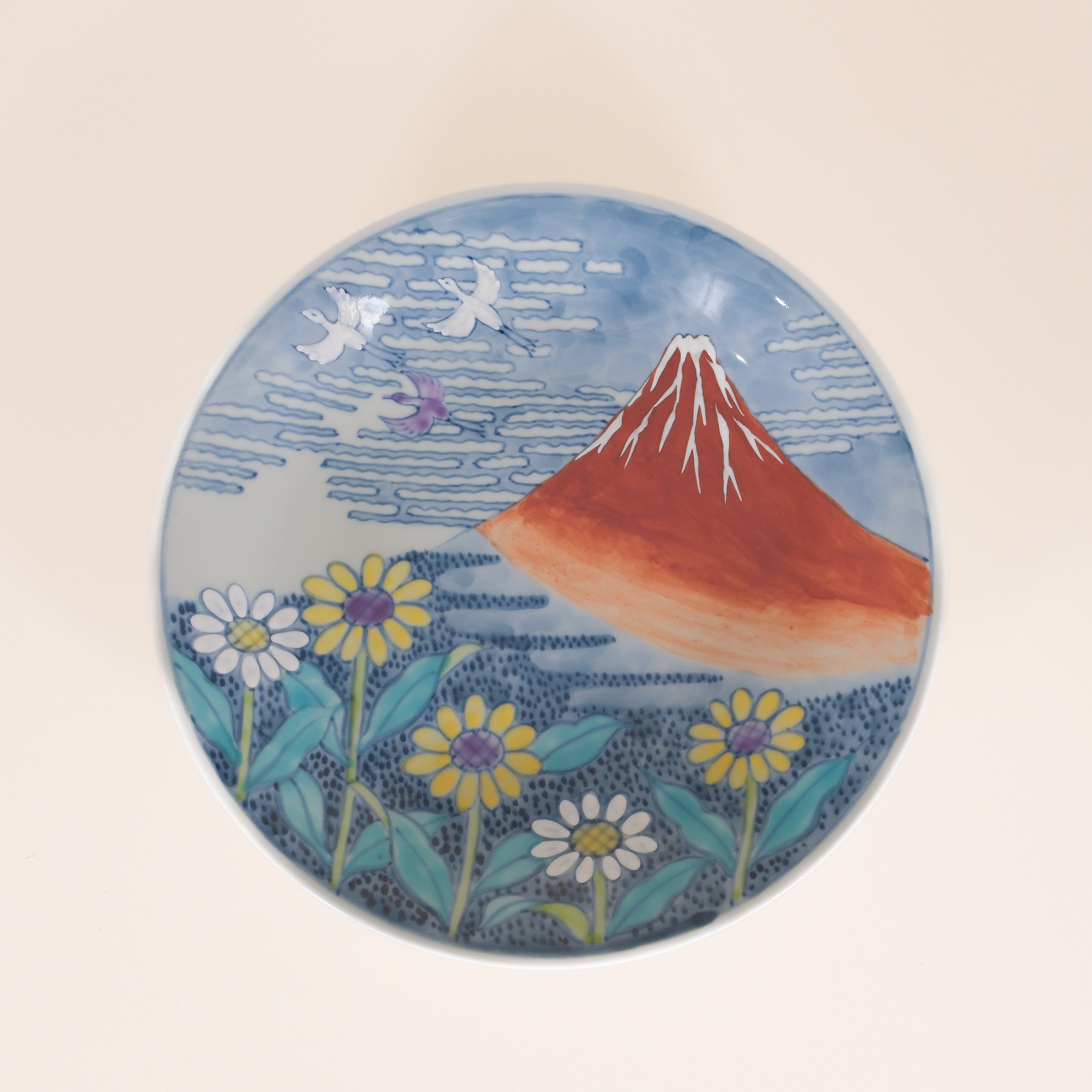
For over a century, the kiln has remained dedicated to the principles of simplicity and strength, continuously producing functional ware for everyday use.
Gohou Kiln’s pieces, characterized by their clean white aesthetic, honor the fundamental forms of tableware, resulting in timeless designs that never lose their appeal. Precisely because of these essential forms, great care is taken in the meticulous finishing of every detail—an aspect we invite you to appreciate.
In 2019, participation in a project at the Tajimi City Design Research Institute marked a new chapter for the kiln. This experience led to a renewed focus on finely crafted forms, fresh perspectives in design, and the introduction of colored glazes—areas previously unexplored.
Through this evolution, the piece known as “Akari Sencha” was born.


Makiko Inoya
猪野屋 牧子
Colorful and unique. Delicate, yet with a hint of wildness.
From her studio-home nestled in a quiet residential neighborhood in Kanazawa, designer and glass artist Makiko Inoya creates vibrant accessories and objects, each piece full of life and character.
At the heart of her work lies a deep memory of nature. Growing up in Muroran, Hokkaido, surrounded by the sea, marine life such as sea anemones, sea urchins, and scallops were always part of her everyday world.
“As I travel, I can’t help but stop by aquariums whenever I find one,” she says. “I’m especially drawn to the colorful, almost chaotic beauty of tropical sea anemones and coral.”
These vivid colors and organic forms found in nature continue to inspire and shape her creations.


Seika Takahashi
高橋生華
Born in Shizuoka Prefecture
2003 Graduated from Tajimi City Institute of Ceramic Design
2008 Special Prize, International Ceramics Festival Mino, Japan
After that, she has been selected for many craft exhibitions.
Held solo exhibitions not only in Japan but also in Asia
Currently living in Tajimi City, Gifu Prefecture
Ceramic artist, Seika Takahashi


Keigama
佳窯
Keigama was founded in the grandfather’s generation, originally producing bonsai pots, and has since supplied large-scale bonsai containers to the Imperial Household as well as to clients both in Japan and abroad.
At the time, Tokoname was renowned for its ability to produce large ceramic works. Each kiln possessed massive plaster molds, and the scale of clay used was far beyond what is seen today. Forming was carried out on the first floor, and the pieces were then carried upstairs to dry—one of the reasons many kilns were built with relatively low ceilings, making lifting easier.
Over time, production shifted toward tableware, and now in its third generation, the kiln continues to build on the techniques passed down from previous generations. Today, it creates a wide range of pieces, from tableware to interior items.



Ishimaru Togei
石丸陶芸
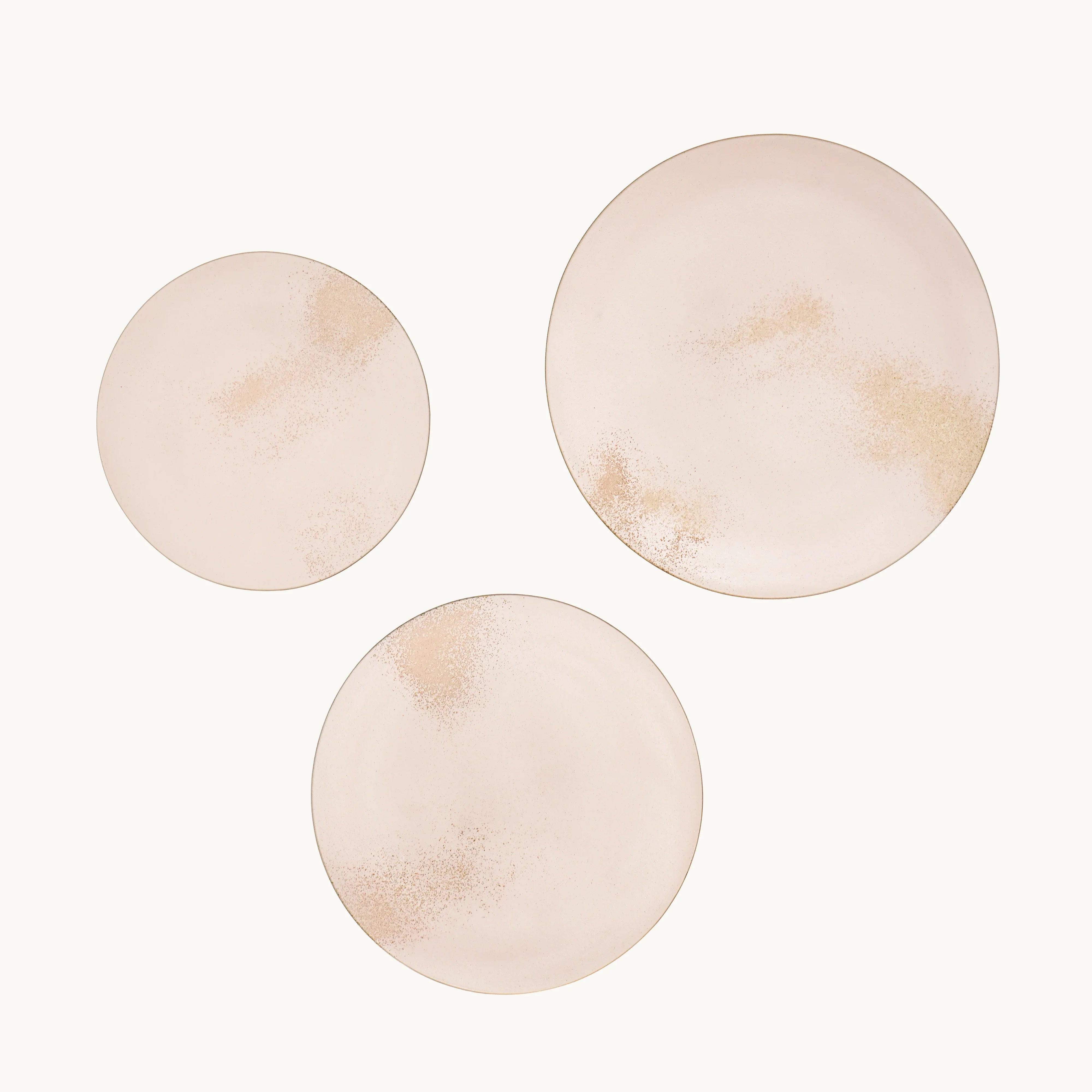
Rinkuro Kiln was established in 1968 in Hasami, a region with over 400 years of tradition in porcelain making.
Founded by Ishimaru Ceramics, Rinkuro Kiln was created as an original kiln with a vision to pursue a distinctive style and a level of quality not found elsewhere.
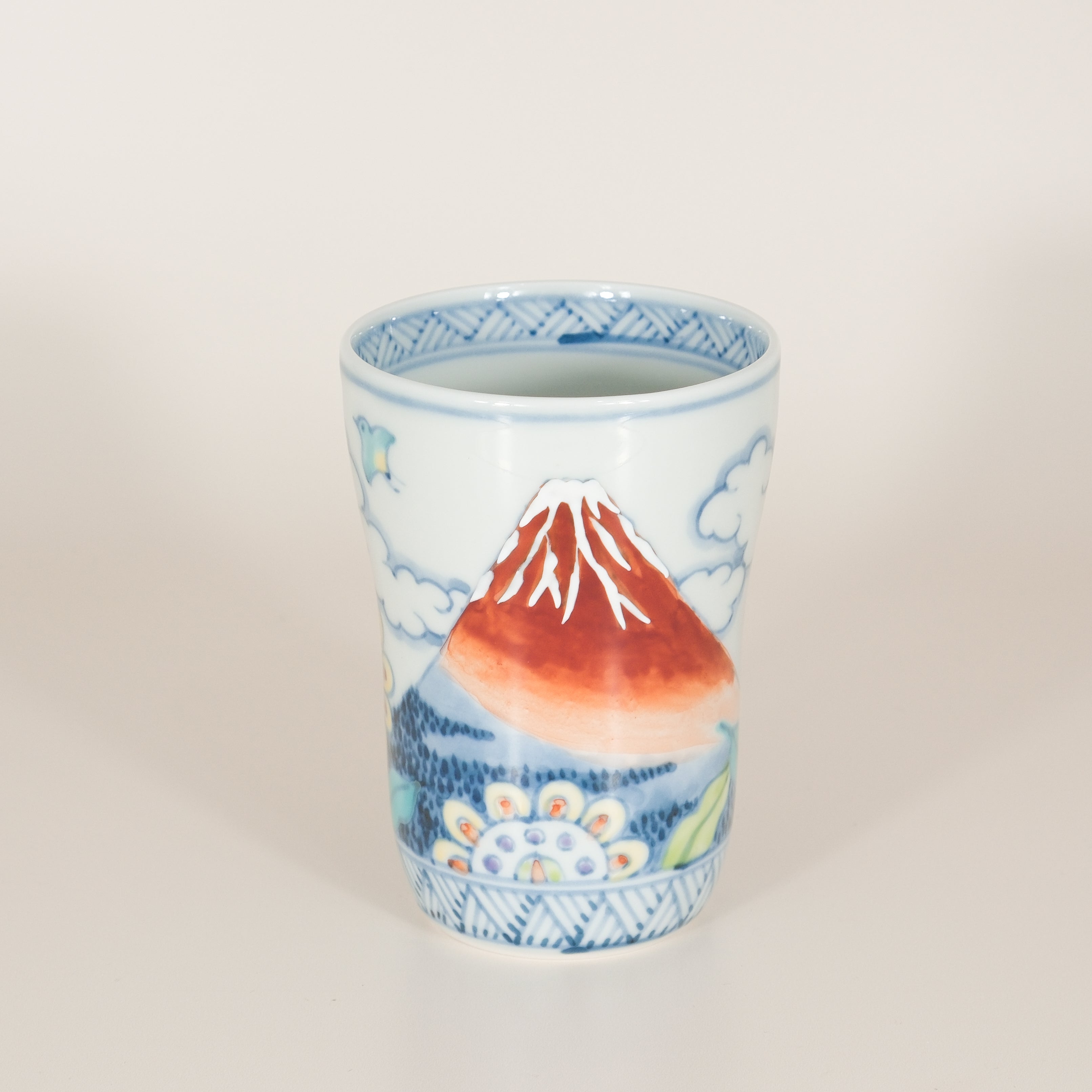
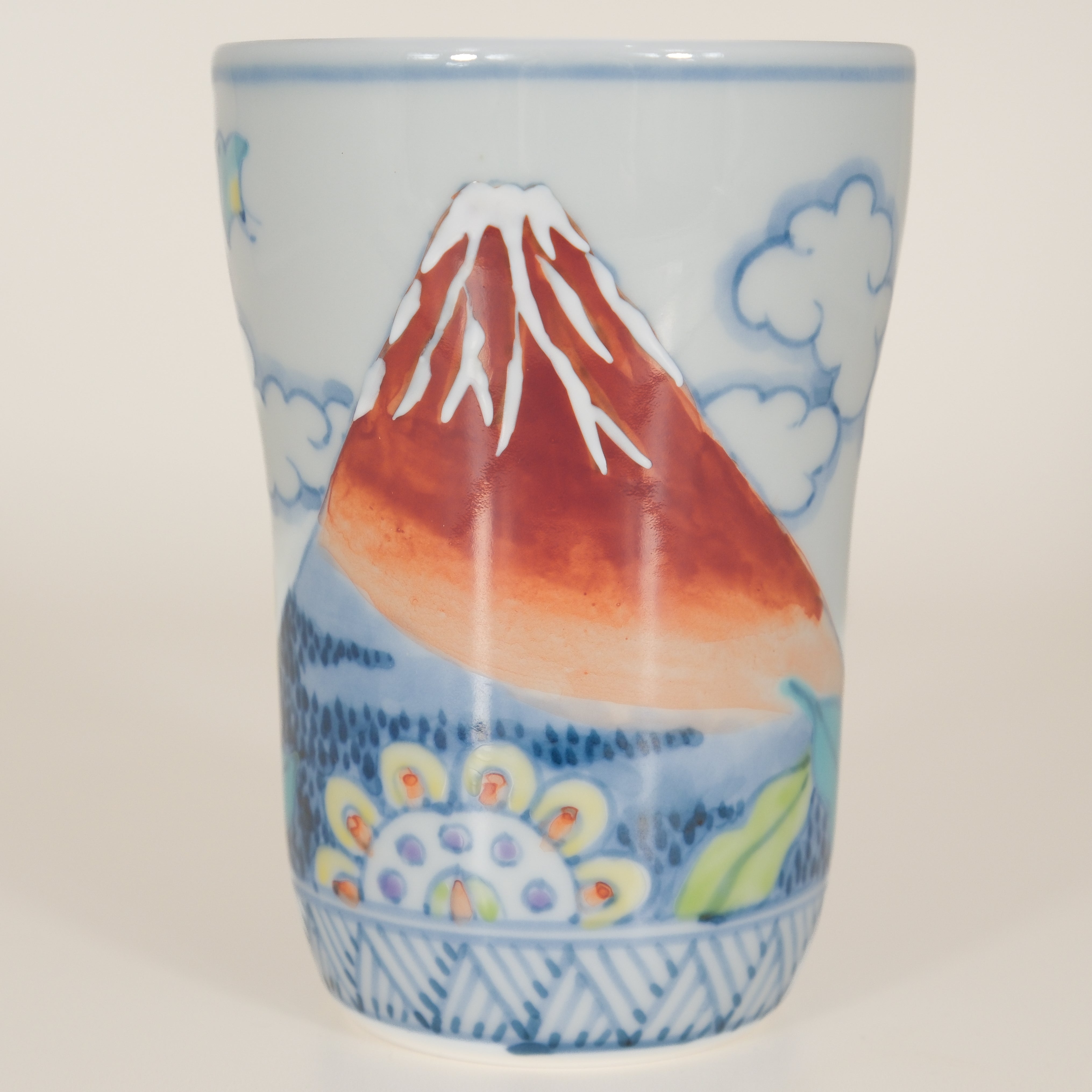
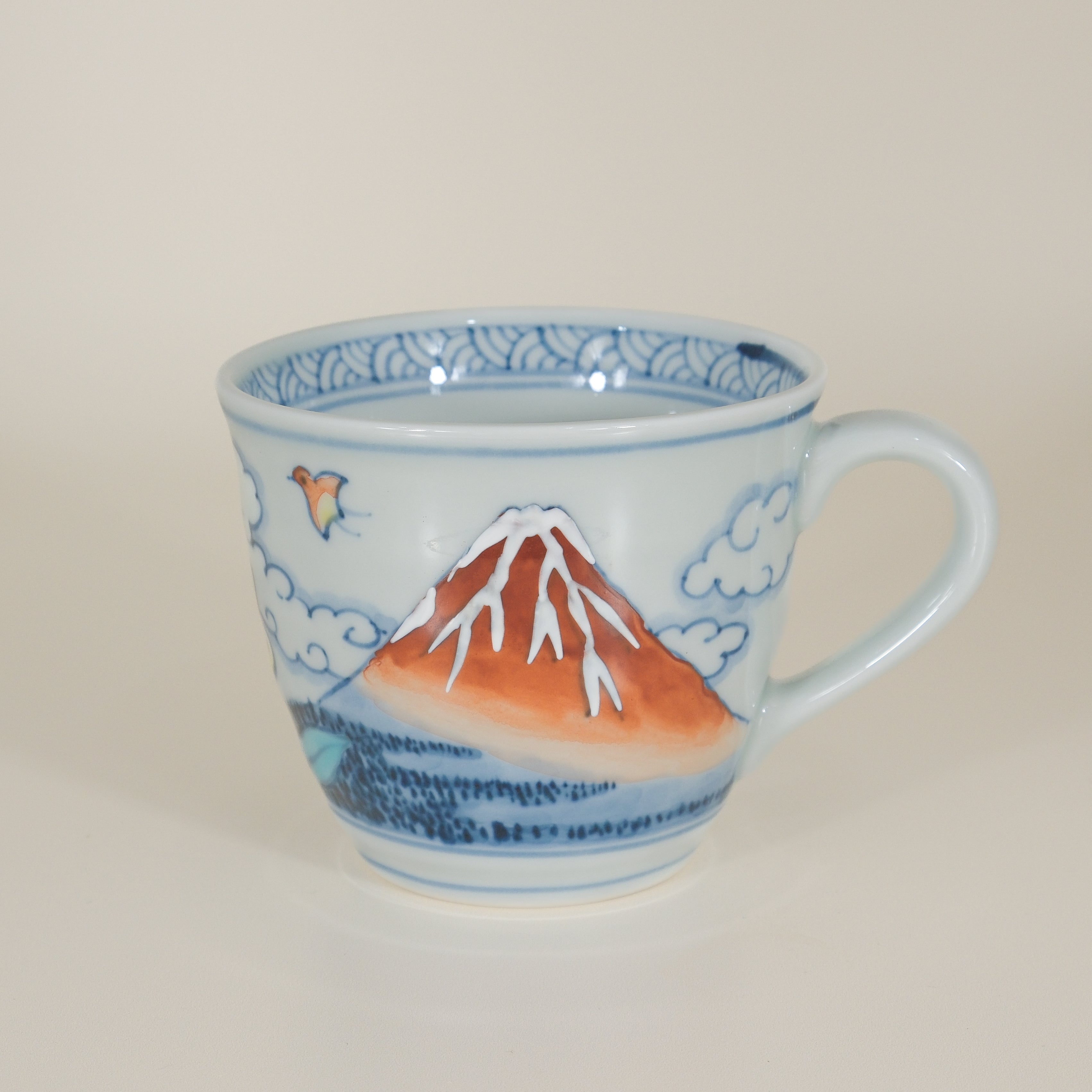
The kiln continues to produce works that reflect its unique sensibility—ranging from the timeless depth of sometsuke (underglaze blue), to the richly ornate Ko-Imari style, and the refined balance of blue and red found in sometsuke & akae (sometsuke-nishiki).
In recent years, Rinkuro has also embraced contemporary needs, creating tableware that harmonizes with both Japanese and Western dining styles.
Hasami ware has long been cherished as everyday tableware, from the days of “Kurawanka” bowls and “Compro bottles” to the present. Within this tradition, Rinkuro aspires to remain a shining presence, continuing to craft pieces that are both accessible and enduring.