
Fujibakama Teacup & Saucer Set Nabeshima Porcelain by the 13th Imaizumi Imaemon (1926-2001)
This elegant teacup and saucer set was created by the 13th Imaizumi Imaemon (1926-2001).
The 13th Imaemon was designated a Living National Treasure of Japan in 1989 as a Holder of Important Intangible Cultural Property for Overglaze Enamel Porcelain (Iroe Jiki), in recognition of his exceptional technical mastery and artistic achievements in porcelain art.
This work inherits the tradition of Nabeshima porcelain, one of the highest expressions of Japanese ceramic art, cultivated in Arita, the birthplace of Japanese porcelain.
During the Edo period, Nabeshima ware was produced under the patronage of the Saga Domain (the Nabeshima clan) in official domain kilns. These porcelains were not intended for the commercial market but were created exclusively as presentation pieces for the Shogunate, the Imperial Court, and powerful feudal lords. As a result, Nabeshima porcelain came to symbolize the highest standards of craftsmanship and aesthetic refinement in the history of Japanese ceramics.
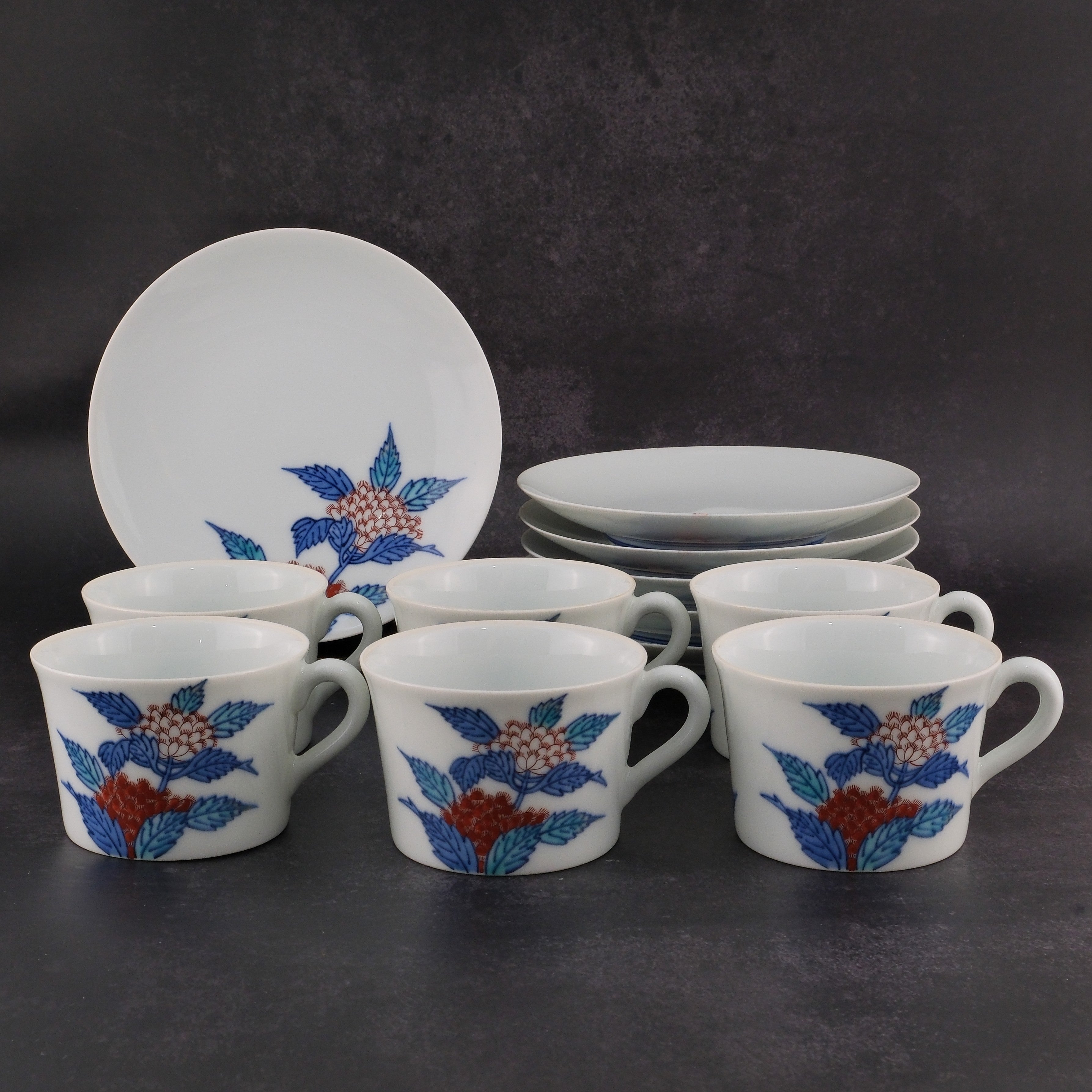
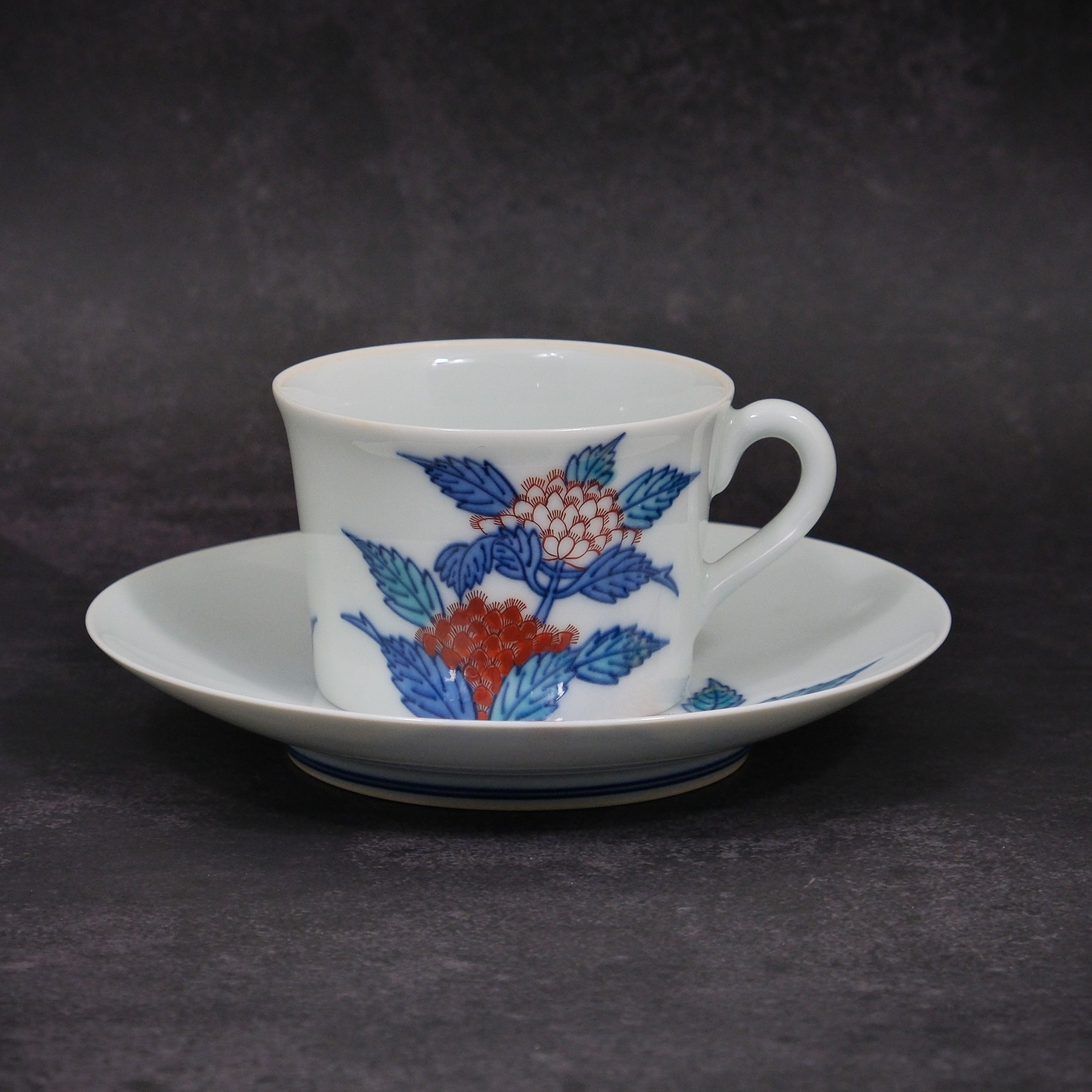
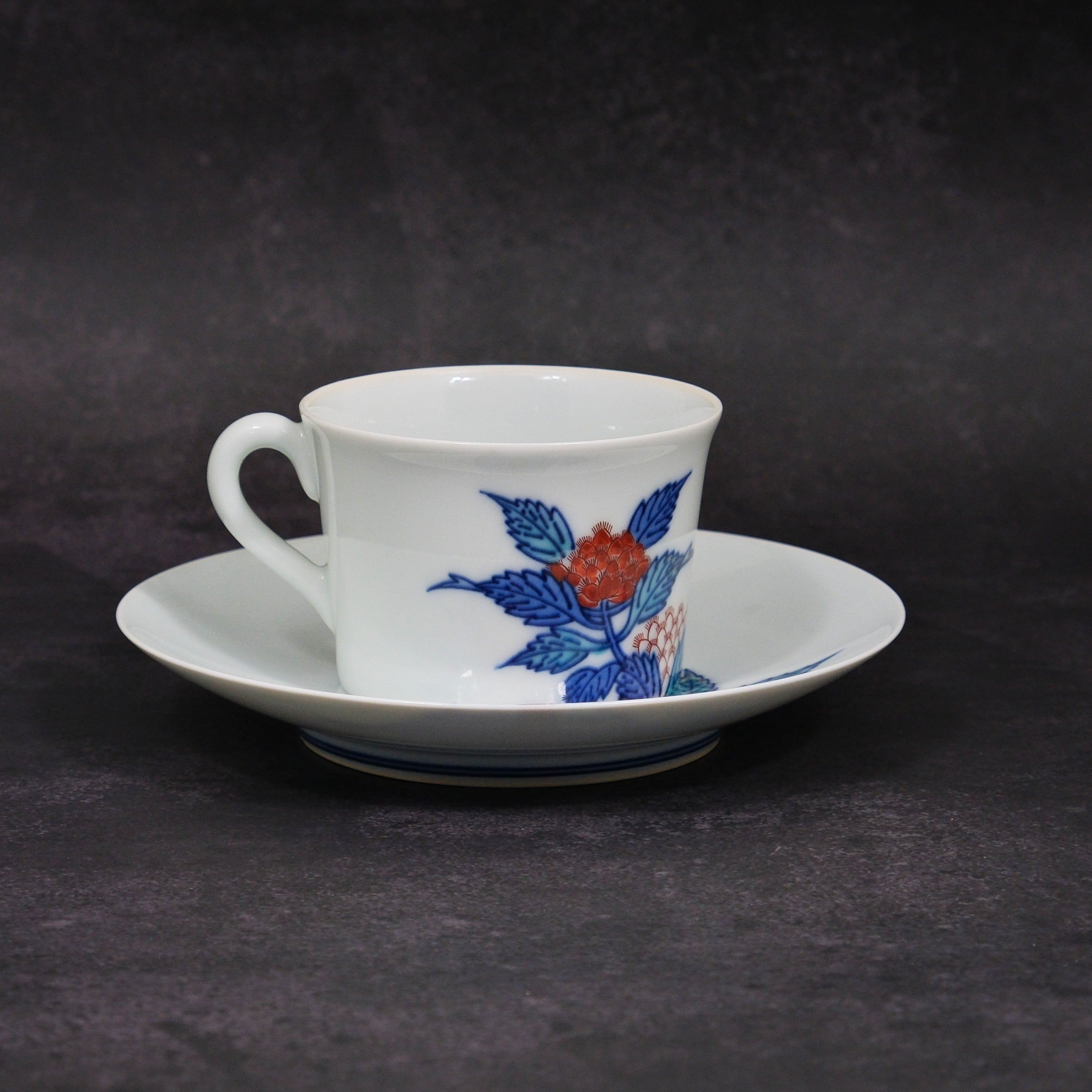
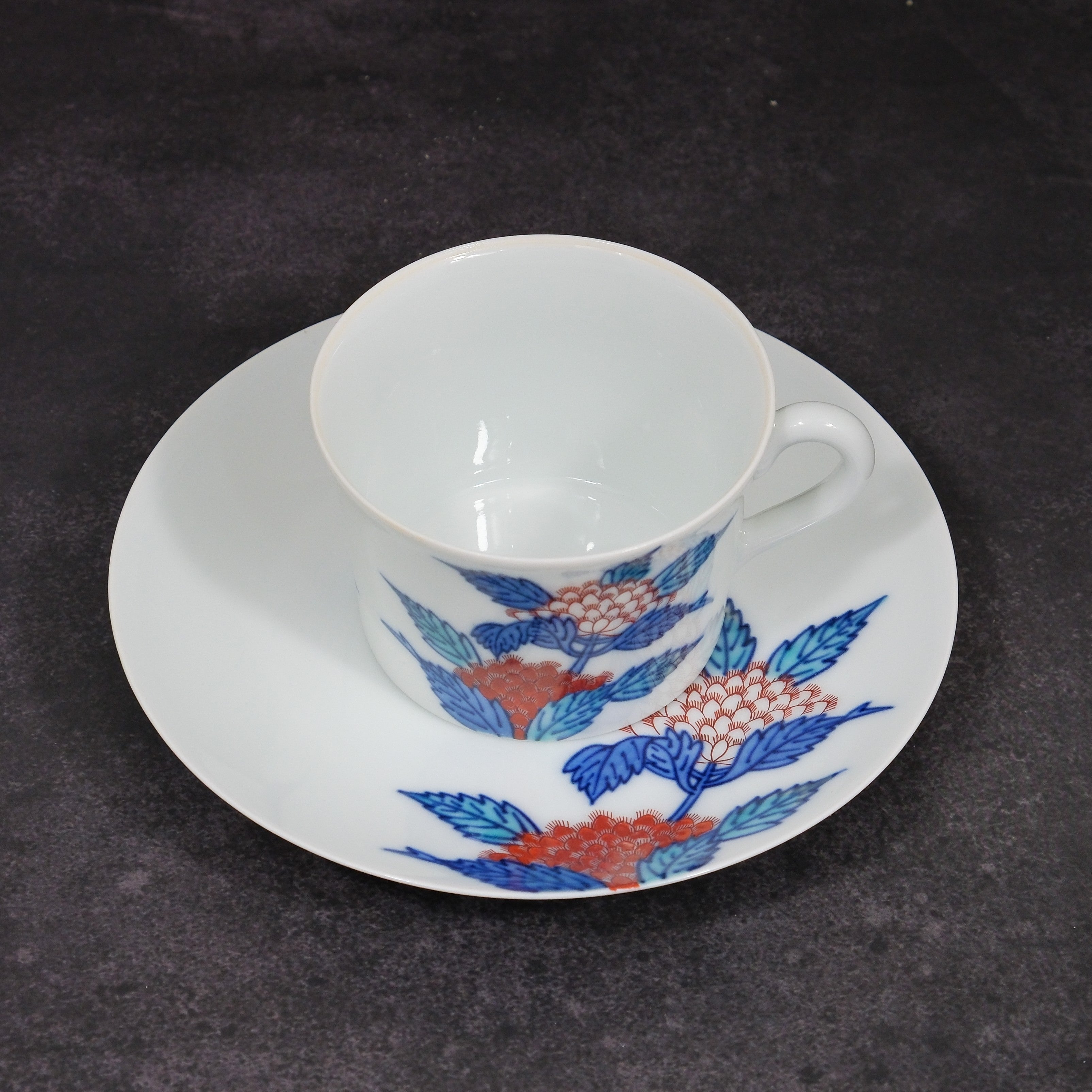
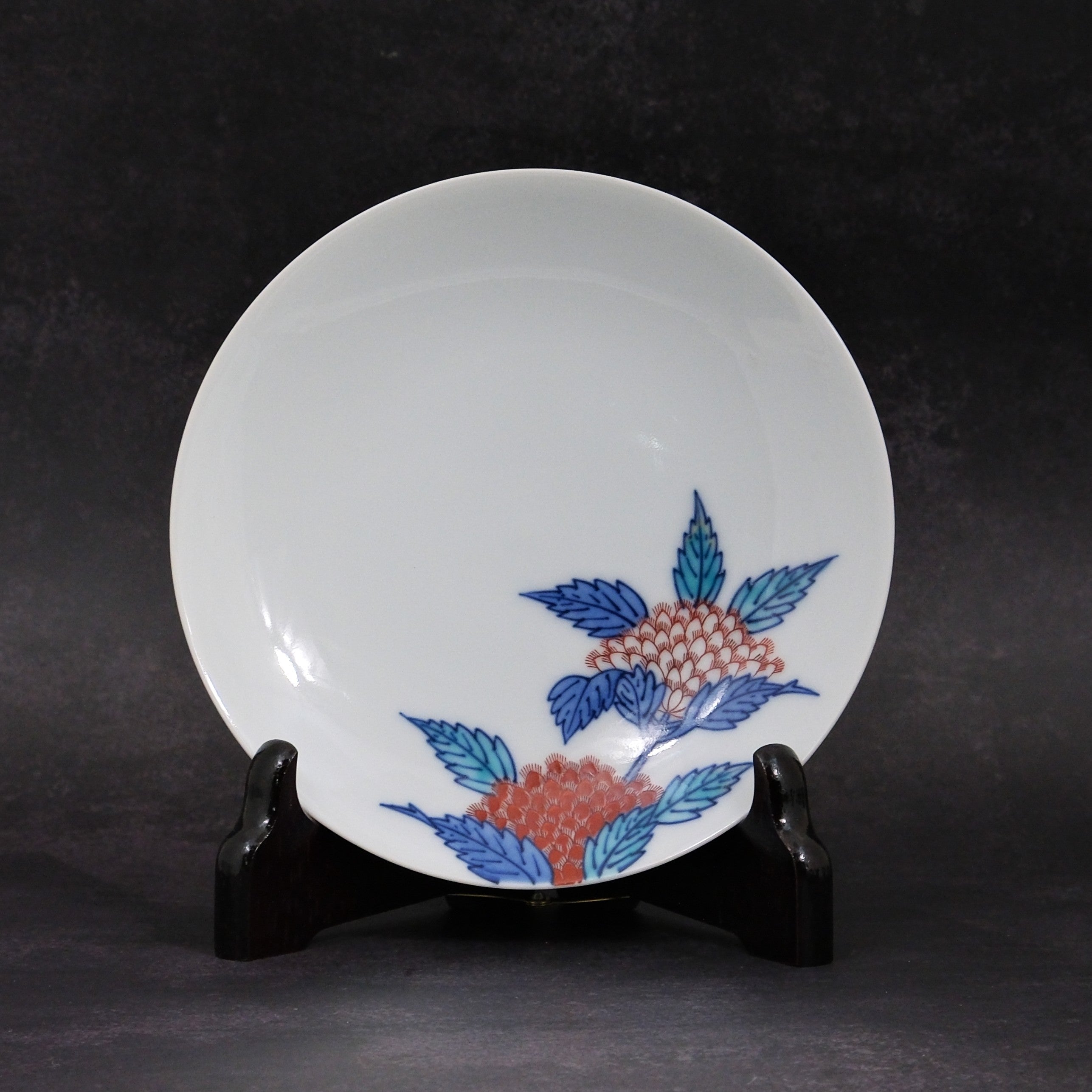
The decoration features Fujibakama (Eupatorium japonicum), one of Japan's traditional flowers that has long been cherished as a symbol of autumn. Against the beautiful expanse of white porcelain, shades of cobalt blue, turquoise, and iron-red enamels are harmoniously combined, expressing the elegance and refinement that are characteristic of Imaemon's work.
The 13th Imaemon is highly acclaimed for introducing a modern artistic sensibility into the traditional world of Iro-Nabeshima while preserving its dignity, sophistication, and technical excellence.
More than a functional tea service, this work represents the culmination of centuries of Nabeshima tradition and the artistic vision of the 13th Imaemon, one of Japan's most distinguished master ceramic artists.

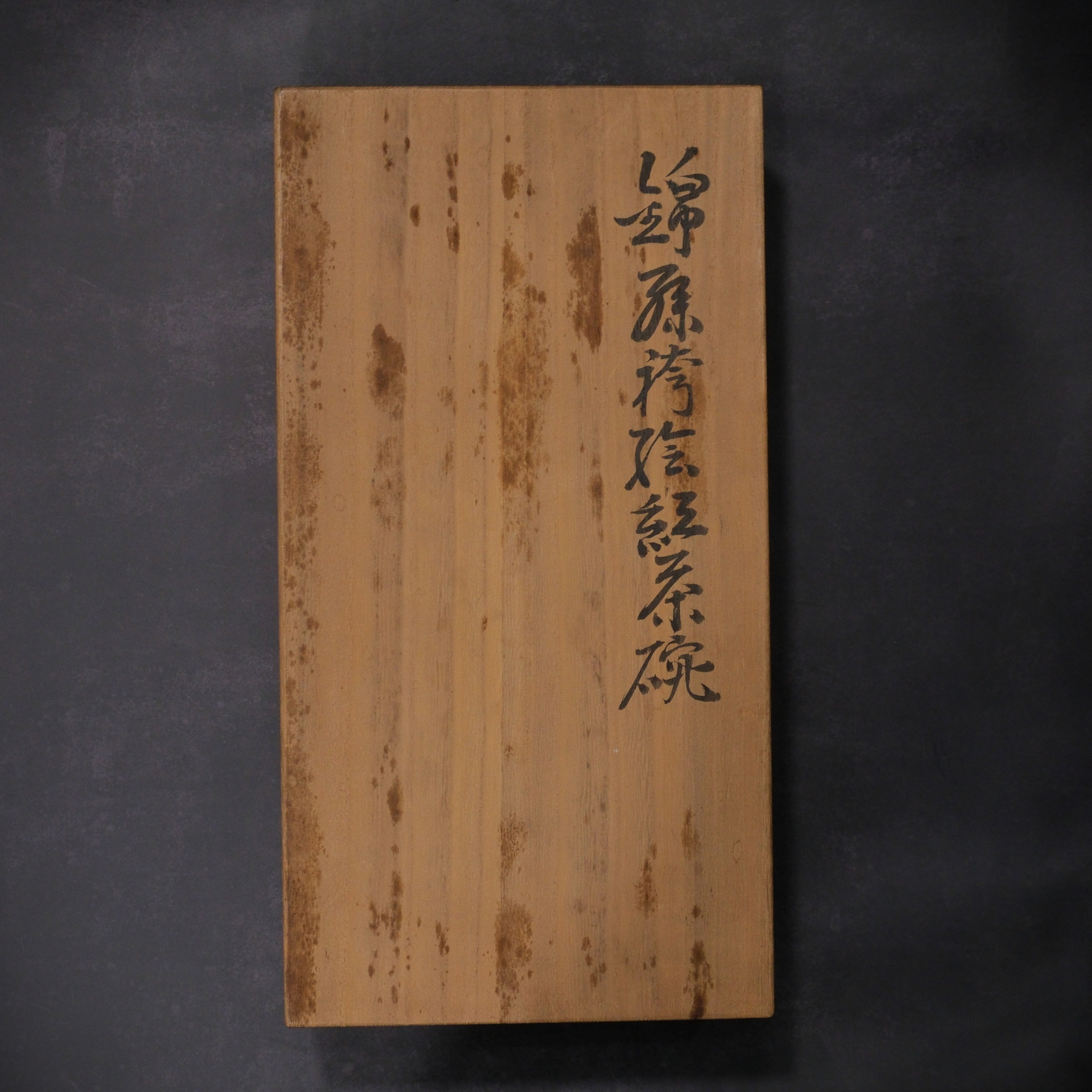
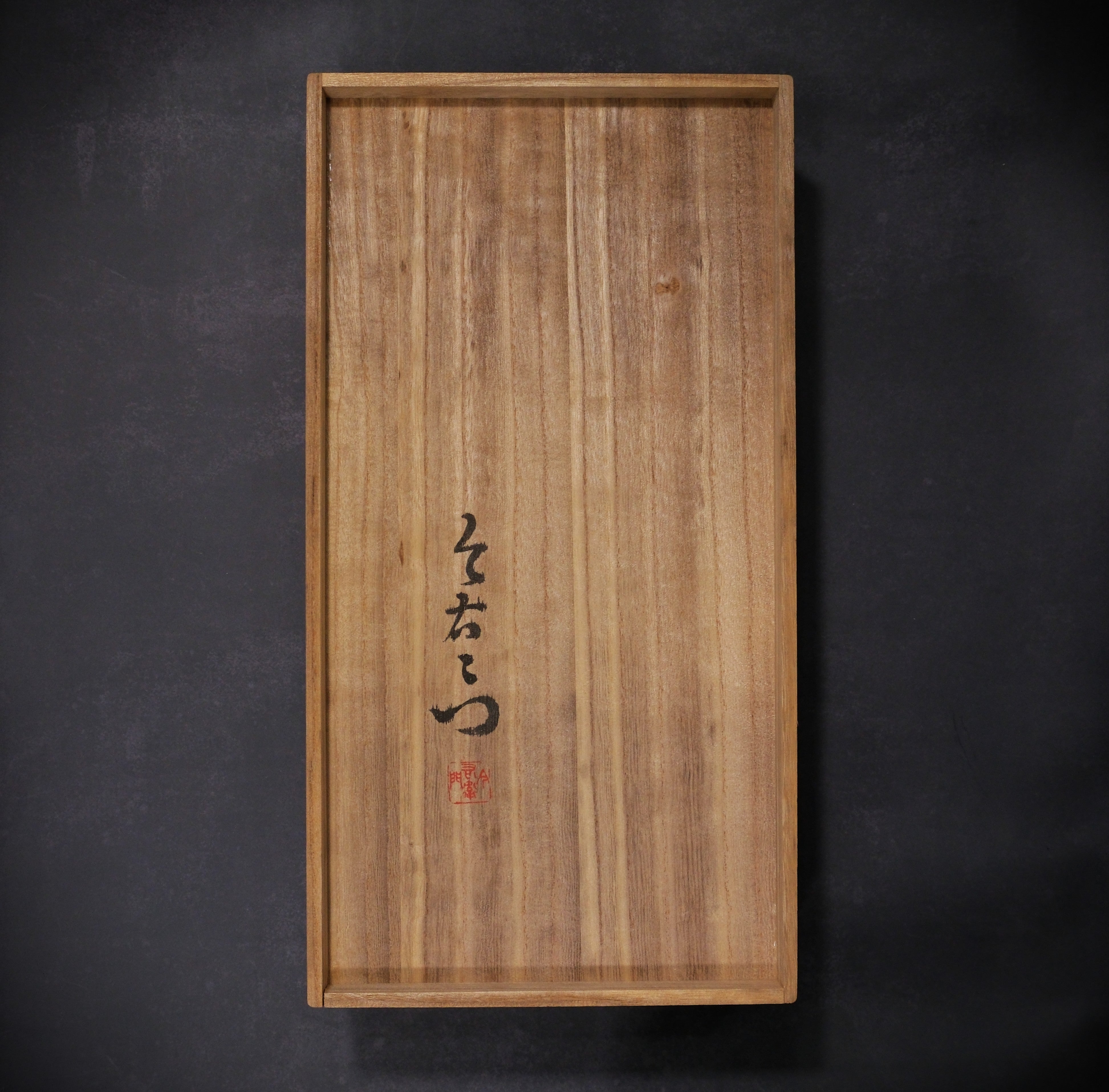
To mark the launch of our online shopping site, we are pleased to offer, at a special price, a piece from my personal collection that was acquired over 20 years ago. Although the original wooden presentation box (tomobako) shows natural resin seepage due to long-term storage, the item itself is completely unused and remains in pristine condition. We invite you to take this opportunity to add a teacup created by the 13th Imaemon, a Living National Treasure of Japan, to your collection. For reference, please see the following website. An English version of the page is available below: https://www.imaemon.co.jp/english/
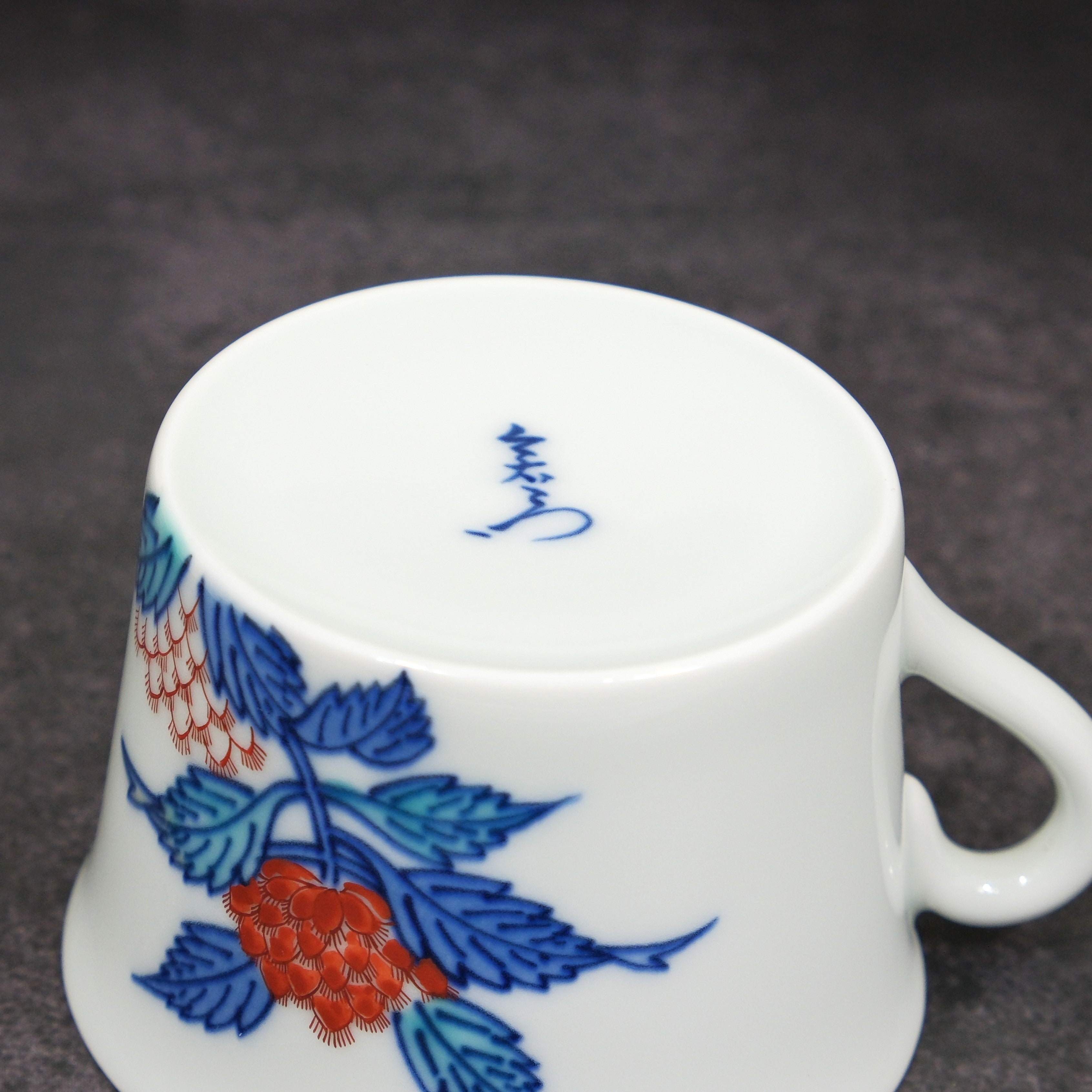
Cup: Height 5.5 cm × Diameter 8.0 cm
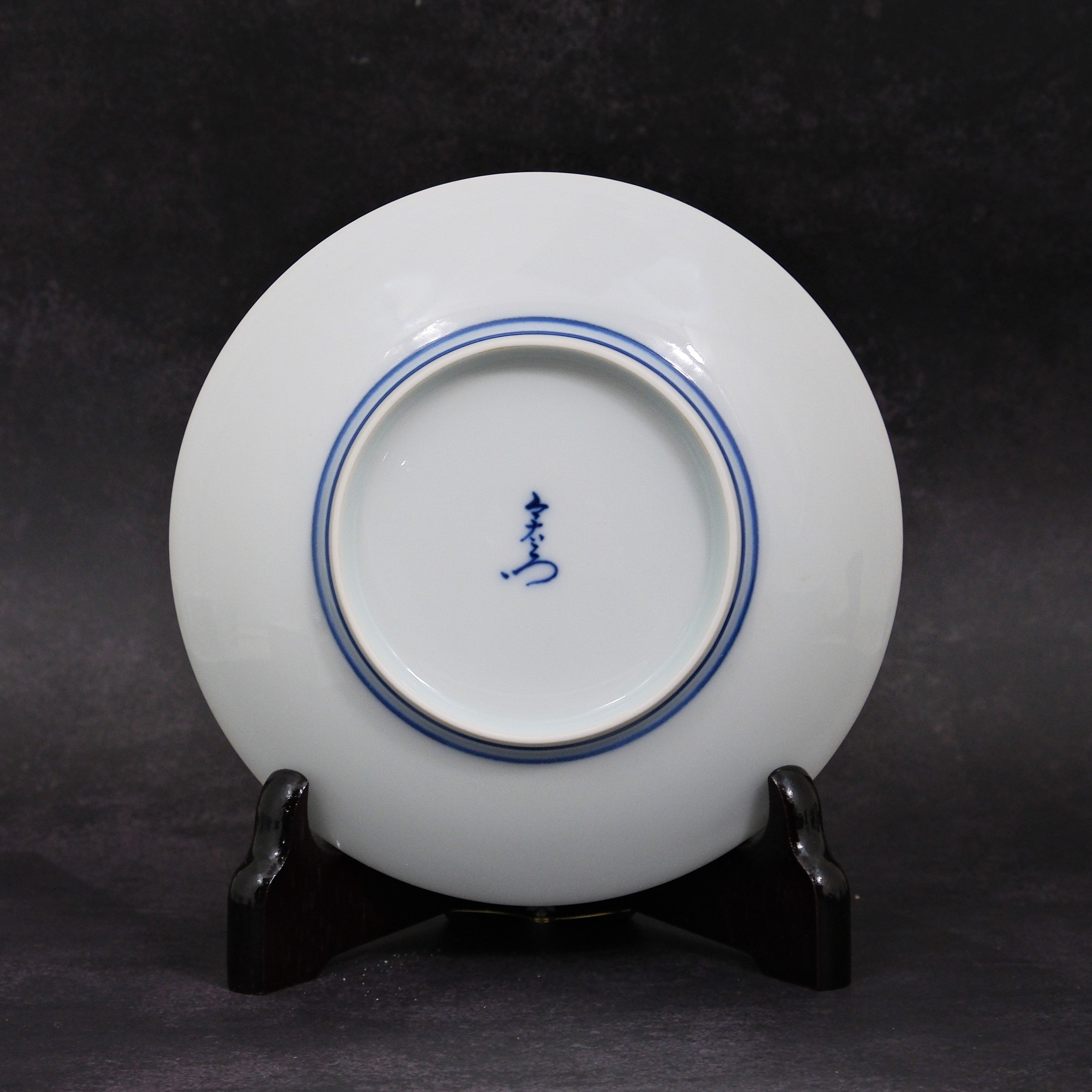
Saucer: Height 2.2 cm × Diameter 15.5 cm


送料、輸入関税、税金はすべて当社が負担します。納品時に追加料金が請求されることはありません。
オプションを選択
This elegant teacup and saucer set was created by the 13th Imaizumi Imaemon (1926-2001).
The 13th Imaemon was designated a Living National Treasure of Japan in 1989 as a Holder of Important Intangible Cultural Property for Overglaze Enamel Porcelain (Iroe Jiki), in recognition of his exceptional technical mastery and artistic achievements in porcelain art.
This work inherits the tradition of Nabeshima porcelain, one of the highest expressions of Japanese ceramic art, cultivated in Arita, the birthplace of Japanese porcelain.
During the Edo period, Nabeshima ware was produced under the patronage of the Saga Domain (the Nabeshima clan) in official domain kilns. These porcelains were not intended for the commercial market but were created exclusively as presentation pieces for the Shogunate, the Imperial Court, and powerful feudal lords. As a result, Nabeshima porcelain came to symbolize the highest standards of craftsmanship and aesthetic refinement in the history of Japanese ceramics.
The decoration features Fujibakama (Eupatorium japonicum), one of Japan's traditional flowers that has long been cherished as a symbol of autumn. Against the beautiful expanse of white porcelain, shades of cobalt blue, turquoise, and iron-red enamels are harmoniously combined, expressing the elegance and refinement that are characteristic of Imaemon's work.
The 13th Imaemon is highly acclaimed for introducing a modern artistic sensibility into the traditional world of Iro-Nabeshima while preserving its dignity, sophistication, and technical excellence.
More than a functional tea service, this work represents the culmination of centuries of Nabeshima tradition and the artistic vision of the 13th Imaemon, one of Japan's most distinguished master ceramic artists.
To mark the launch of our online shopping site, we are pleased to offer, at a special price, a piece from my personal collection that was acquired over 20 years ago. Although the original wooden presentation box (tomobako) shows natural resin seepage due to long-term storage, the item itself is completely unused and remains in pristine condition. We invite you to take this opportunity to add a teacup created by the 13th Imaemon, a Living National Treasure of Japan, to your collection. For reference, please see the following website. An English version of the page is available below: https://www.imaemon.co.jp/english/
Cup: Height 5.5 cm × Diameter 8.0 cm
Saucer: Height 2.2 cm × Diameter 15.5 cm
送料、輸入関税、税金はすべて当社が負担します。納品時に追加料金が請求されることはありません。
This elegant teacup and saucer set was created by the 13th Imaizumi Imaemon (1926-2001).
The 13th Imaemon was designated a Living National Treasure of Japan in 1989 as a Holder of Important Intangible Cultural Property for Overglaze Enamel Porcelain (Iroe Jiki), in recognition of his exceptional technical mastery and artistic achievements in porcelain art.
This work inherits the tradition of Nabeshima porcelain, one of the highest expressions of Japanese ceramic art, cultivated in Arita, the birthplace of Japanese porcelain.
During the Edo period, Nabeshima ware was produced under the patronage of the Saga Domain (the Nabeshima clan) in official domain kilns. These porcelains were not intended for the commercial market but were created exclusively as presentation pieces for the Shogunate, the Imperial Court, and powerful feudal lords. As a result, Nabeshima porcelain came to symbolize the highest standards of craftsmanship and aesthetic refinement in the history of Japanese ceramics.
The decoration features Fujibakama (Eupatorium japonicum), one of Japan's traditional flowers that has long been cherished as a symbol of autumn. Against the beautiful expanse of white porcelain, shades of cobalt blue, turquoise, and iron-red enamels are harmoniously combined, expressing the elegance and refinement that are characteristic of Imaemon's work.
The 13th Imaemon is highly acclaimed for introducing a modern artistic sensibility into the traditional world of Iro-Nabeshima while preserving its dignity, sophistication, and technical excellence.
More than a functional tea service, this work represents the culmination of centuries of Nabeshima tradition and the artistic vision of the 13th Imaemon, one of Japan's most distinguished master ceramic artists.
To mark the launch of our online shopping site, we are pleased to offer, at a special price, a piece from my personal collection that was acquired over 20 years ago. Although the original wooden presentation box (tomobako) shows natural resin seepage due to long-term storage, the item itself is completely unused and remains in pristine condition. We invite you to take this opportunity to add a teacup created by the 13th Imaemon, a Living National Treasure of Japan, to your collection. For reference, please see the following website. An English version of the page is available below: https://www.imaemon.co.jp/english/
Cup: Height 5.5 cm × Diameter 8.0 cm
Saucer: Height 2.2 cm × Diameter 15.5 cm
送料、輸入関税、税金はすべて当社が負担します。納品時に追加料金が請求されることはありません。
This elegant teacup and saucer set was created by the 13th Imaizumi Imaemon (1926-2001).
The 13th Imaemon was designated a Living National Treasure of Japan in 1989 as a Holder of Important Intangible Cultural Property for Overglaze Enamel Porcelain (Iroe Jiki), in recognition of his exceptional technical mastery and artistic achievements in porcelain art.
This work inherits the tradition of Nabeshima porcelain, one of the highest expressions of Japanese ceramic art, cultivated in Arita, the birthplace of Japanese porcelain.
During the Edo period, Nabeshima ware was produced under the patronage of the Saga Domain (the Nabeshima clan) in official domain kilns. These porcelains were not intended for the commercial market but were created exclusively as presentation pieces for the Shogunate, the Imperial Court, and powerful feudal lords. As a result, Nabeshima porcelain came to symbolize the highest standards of craftsmanship and aesthetic refinement in the history of Japanese ceramics.
The decoration features Fujibakama (Eupatorium japonicum), one of Japan's traditional flowers that has long been cherished as a symbol of autumn. Against the beautiful expanse of white porcelain, shades of cobalt blue, turquoise, and iron-red enamels are harmoniously combined, expressing the elegance and refinement that are characteristic of Imaemon's work.
The 13th Imaemon is highly acclaimed for introducing a modern artistic sensibility into the traditional world of Iro-Nabeshima while preserving its dignity, sophistication, and technical excellence.
More than a functional tea service, this work represents the culmination of centuries of Nabeshima tradition and the artistic vision of the 13th Imaemon, one of Japan's most distinguished master ceramic artists.
