The Aesthetic Philosophy of Japanese Cuisine
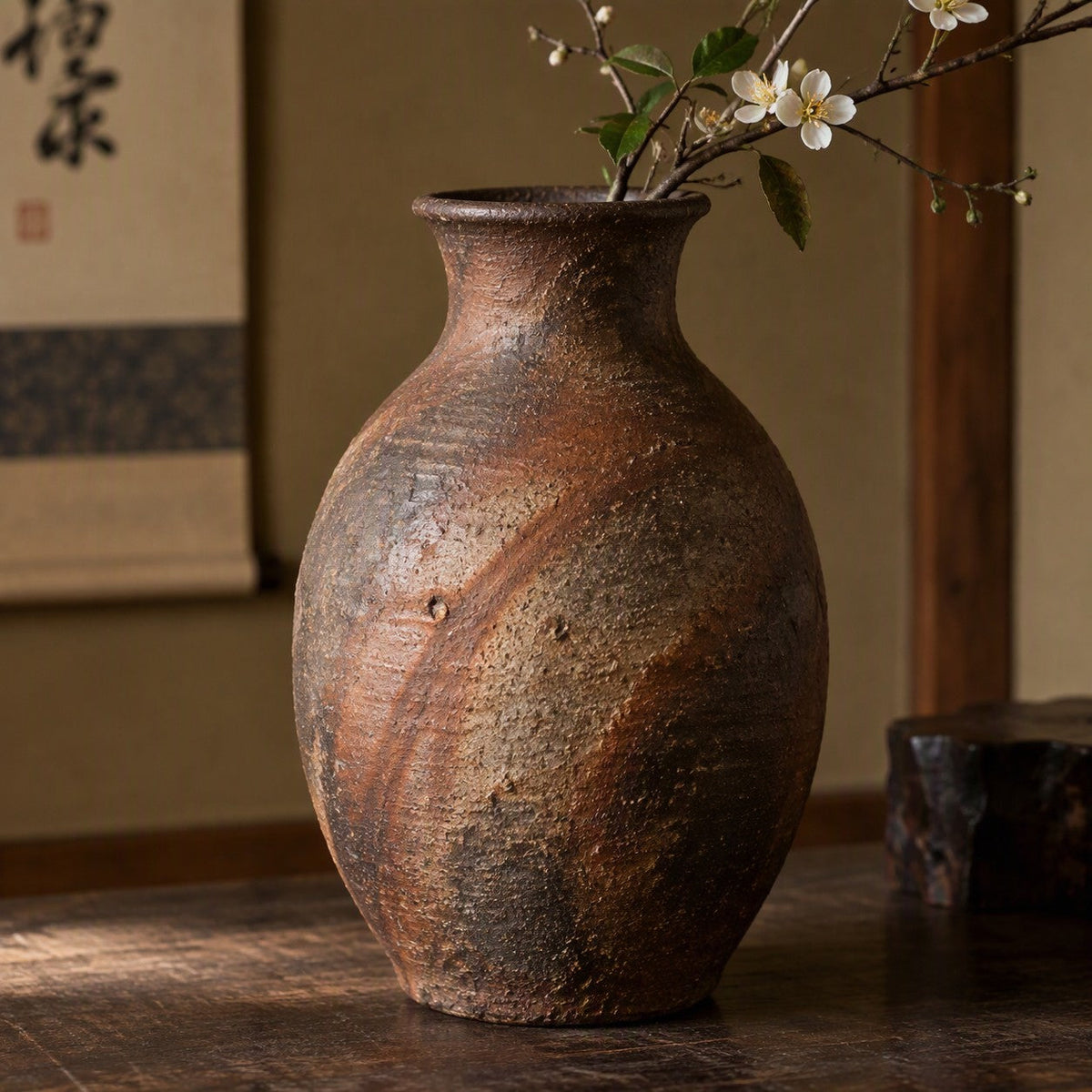
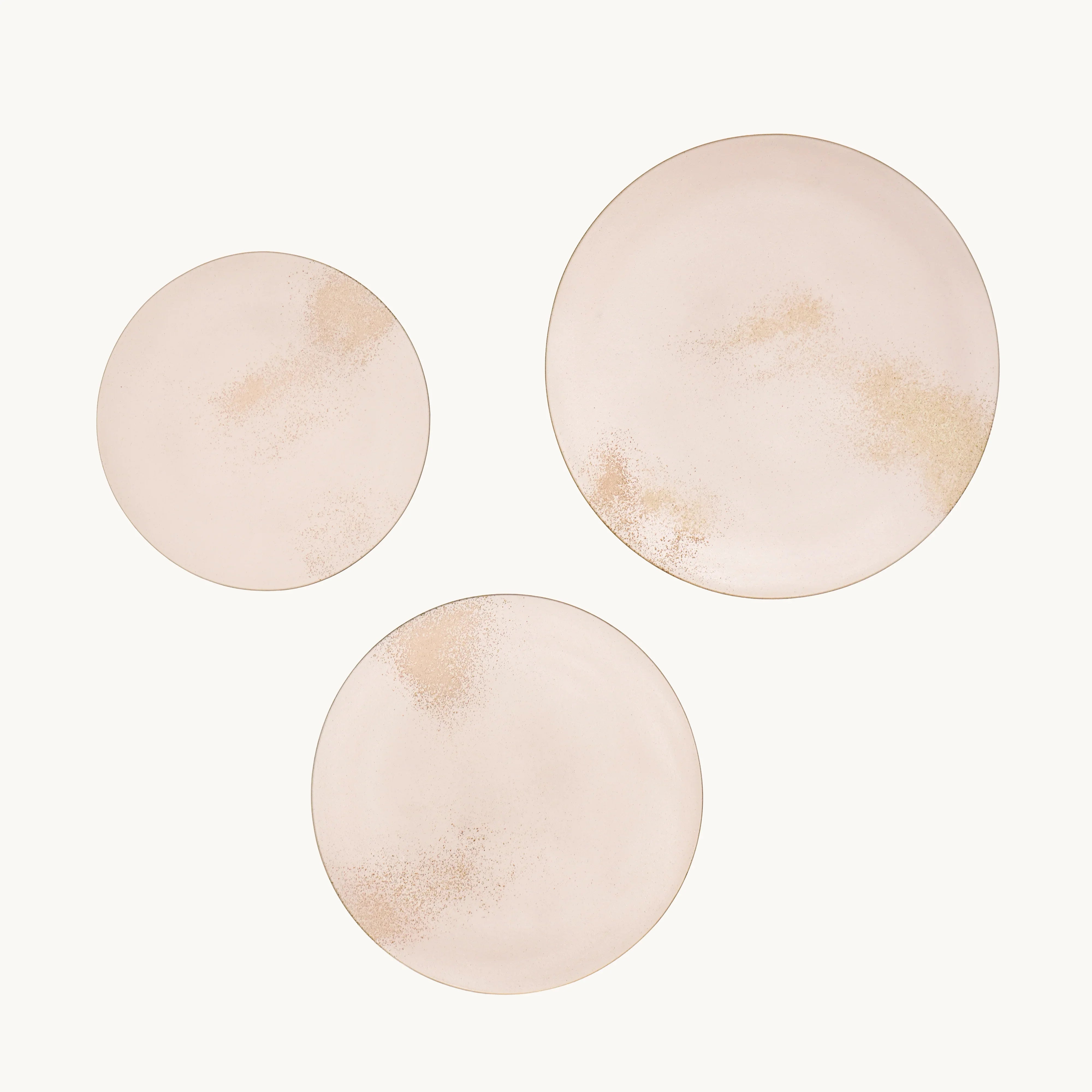
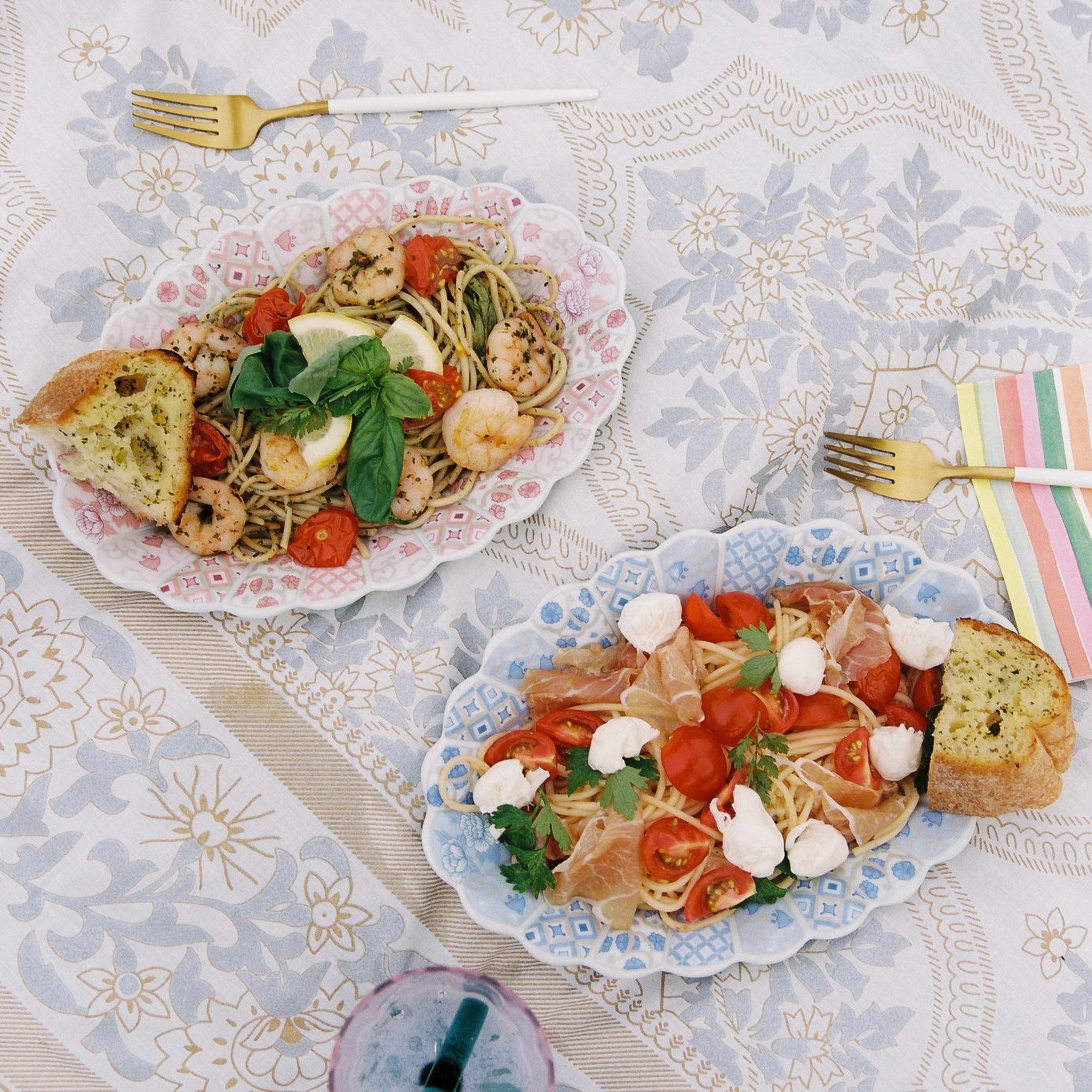
One of the defining characteristics of Japanese dining culture is the use of different types of tableware according to the nature of the dish being served. An extraordinary variety of materials is employed, including ceramics, porcelain, lacquerware, wood, and glass. Over centuries, a distinctive aesthetic sensibility has evolved in which the vessel itself becomes an integral part of the culinary experience.
By carefully selecting the shape, texture, and color of each piece to complement both the food and the season, Japanese cuisine has developed a sophisticated art of presentation in which visual beauty, tactile pleasure, and taste are harmoniously united.
The origins of this aesthetic are often traced to the meals served in the context of the Japanese tea ceremony. In these settings, the harmony between food and vessel is regarded as a vital expression of hospitality. Choosing the appropriate vessel is not merely a practical decision but an artistic act that embodies the spiritual values of chanoyu (the Way of Tea). For this reason, Japanese chefs are expected not only to master flavor and technique but also to possess the refined aesthetic judgment necessary to select the vessel that best enhances the beauty of each dish.
At the heart of Japanese cuisine lies another fundamental philosophy: a deep respect for the inherent qualities of each ingredient. Ingredients are not viewed merely as raw materials but as gifts from nature. Their natural flavors, aromas, textures, and colors are treasured and preserved whenever possible.
Accordingly, seasoning is generally restrained. Salt, soy sauce, miso, and dashi are used sparingly, not to overpower ingredients but to reveal their individual character. The role of the chef is therefore not to impose flavor upon food, but rather to draw out the qualities already present within it.
While many Western culinary traditions build complexity through layers of sauces, herbs, and spices, Japanese cuisine seeks clarity and definition in each individual dish. It embraces a philosophy that may be summarized as “one dish, one flavor,” “one ingredient, one preparation,” and “one vessel, one world.”
This approach is deeply connected to the aesthetics of the tea ceremony. Strong seasonings and overly complex combinations were traditionally avoided because they were considered disruptive to the quiet harmony and contemplative atmosphere of the tea room.
Japan is also blessed with four distinct seasons, each bringing an abundance of ingredients at their peak. Spring bamboo shoots, summer sweetfish (ayu), autumn mushrooms, and winter pufferfish (fugu) are just a few examples. Because seasonal ingredients reach their highest quality during a relatively brief period, they are often enjoyed in their purest form, without the need for elaborate combinations.
Japanese cuisine therefore seeks not merely to prepare food, but to express the essence of the season itself.
Because each ingredient retains its individuality, presentation and tableware assume particular importance. The shape, color, texture, and arrangement of the vessel profoundly influence the dining experience. In this sense, a vessel is far more than a container. It serves as a stage upon which the changing seasons are reflected and celebrated, playing an indispensable role in Japan's culinary culture.
In this way, Japanese cuisine embodies purity, simplicity, and profound respect for nature. It has cultivated a unique tradition of presenting ingredients individually so that they may be appreciated in their most essential form. The harmonious unity of cuisine, tableware, and season continues to express a uniquely Japanese aesthetic that values serenity, balance, and refinement.
Should you have the opportunity to visit Japan, we warmly invite you to experience Kaiseki, the traditional multi-course cuisine that beautifully embodies these principles and the spirit at the heart of Japanese culture.